
Tips for Choosing the Office Space That’s Right for Your Business

Table of Contents
Firstly, congratulations on your new or expanding business! This is an exciting time, but finding office space in Dublin that meets your needs and your budget can be stressful.
Finding the right office space is one of the most important decisions you’ll make for your business. The workspace you choose can affect everything from employee productivity and client impressions to operating costs and future growth.
Today’s businesses also face new challenges. Hybrid working, rising commercial rents, and changing team structures mean that flexibility is often just as important as location or size.
Whether you’re a start-up looking for your first office or an established company planning your next move, here are some key factors to consider before signing a lease.
1. Define Your Office Requirements First
Before you start comparing offices, take some time to assess what your business actually needs.
Ask yourself:
- How many employees will use the office regularly?
- Will your team work fully in-office or follow a hybrid model?
- Do you need meeting rooms for clients and team collaboration?
- Will you require storage space for equipment, stock, or documents?
- How many parking spaces are needed?
- Do you expect your team to grow in the next few years?
Many businesses end up paying for more space than they need. Understanding your requirements from the outset can help you find a workspace that supports your business without stretching your budget unnecessarily.
2. Know How Much Space You Need
As a general guideline, businesses often allocate approximately 1,000 square feet for every four to six employees. However, the amount of space required will vary depending on your industry, team structure, and working style.
Businesses embracing hybrid working may require less desk space but more collaborative areas, while client-facing organisations may prioritise meeting rooms and reception facilities.
Rather than focusing solely on square footage, consider how the space will function day to day and whether it can adapt as your business evolves.
3. Set a Realistic Budget
Budget is one of the biggest factors when choosing office space, but it’s important to look beyond the monthly rental cost.
When comparing office options, consider the total cost of occupancy, including:
- Utilities and energy costs
- Broadband and telecoms
- Service charges
- Cleaning and maintenance
- Furniture and fit-out costs
- Meeting room access
- Parking charges
Many businesses are surprised by how quickly these additional expenses can add up.
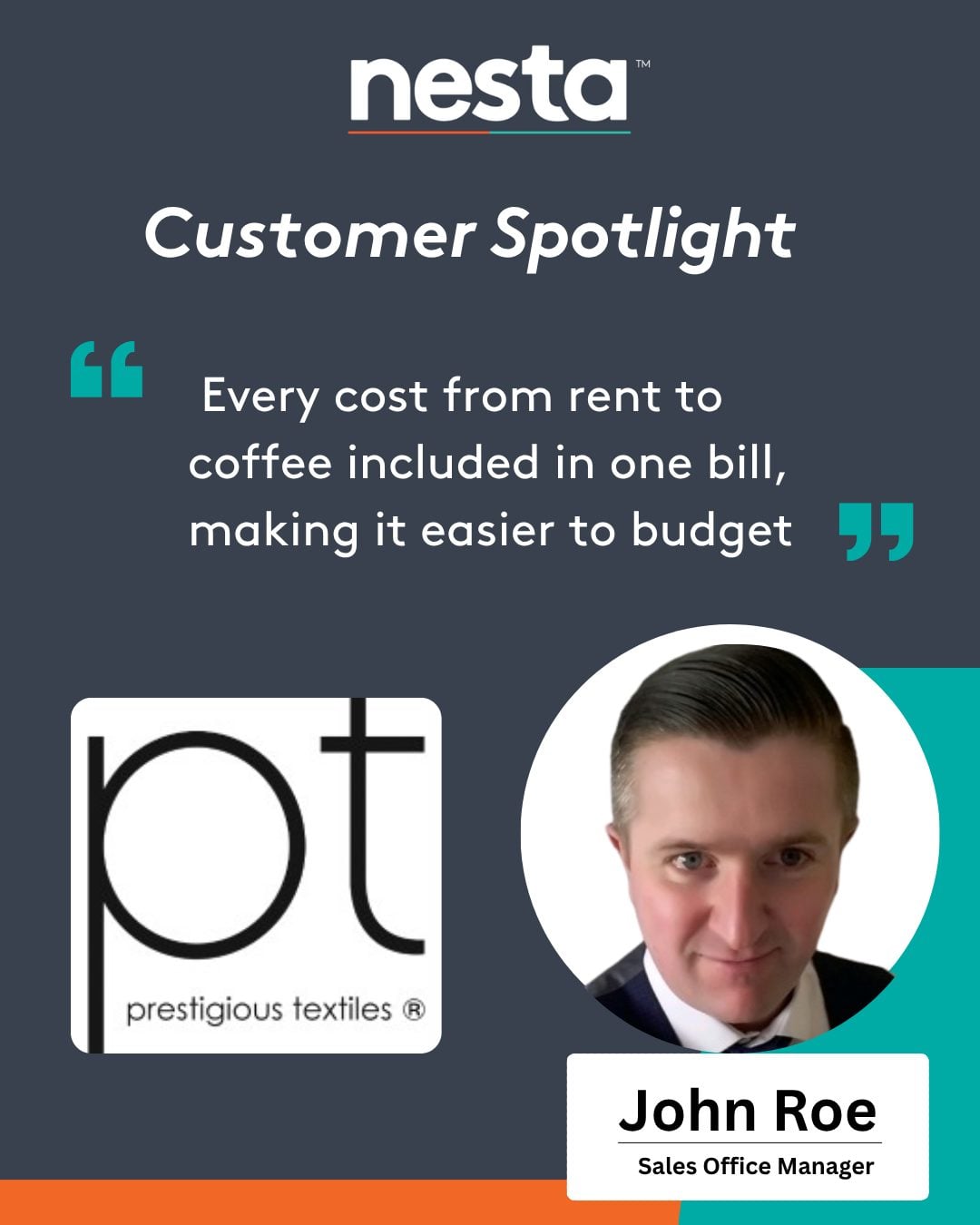
Serviced office solutions can offer better value because many of these costs are included in one predictable monthly fee, making budgeting easier and reducing unexpected overheads.
4. Choose the Right Location
Regardless of whether you’re looking for something on the Northside, Southside or Dublin City Centre, location remains one of the most important factors when selecting office space.
A well-located office can help attract talent, improve employee satisfaction, and create a more convenient experience for clients and visitors.
When evaluating a location, consider:
- Public transport connections
- Proximity to major road networks
- Onsite or nearby parking
- Local cafés and restaurants
- Nearby services and amenities
- Access for clients and suppliers
For businesses in Dublin, areas such as Santry, Sandyford, Dundrum, Leopardstown, Cherrywood, and the city centre continue to be popular choices due to their excellent transport links and thriving business communities.
5. Understand the Full Cost of Renting Office Space
The advertised rent is only one part of the equation.
Before committing to a workspace, make sure you understand exactly what’s included in the overall office rental costs and what additional costs may apply.
Questions to ask include:
- Are utilities included?
- Is broadband provided?
- Are meeting rooms available at no extra charge?
- What are the parking costs?
- Are there additional service charges or maintenance fees?
- Is office furniture included?
Understanding the full picture will help you compare office options more accurately and avoid unexpected costs later.
6. Flexible Office Space vs Traditional Leasing
Businesses today have more workspace options than ever before.
Traditional office leases often involve:
- Long-term commitments
- Significant upfront costs
- Fit-out expenses
- Less flexibility as your business changes
Flexible office spaces typically offer:
- Shorter agreements
- Lower upfront investment
- Inclusive monthly pricing
- Easier expansion or downsizing
For growing businesses, flexible office solutions can provide greater agility while reducing financial risk.
7. Look for Flexible Lease Terms
Business needs can change quickly, particularly for start-ups and scaling companies.
Choosing a workspace with flexible rental terms can provide peace of mind and allow your business to adapt as circumstances change.
At Nesta Business Centres, businesses can rent office space for as little as a few weeks, several months, or on a long-term basis, without the restrictions often associated with traditional commercial leases.
This flexibility makes it easier to grow your business without being tied into lengthy commitments.
8. Evaluate the Amenities and Services Available
The right office is about much more than desks and square footage.
Modern businesses often expect facilities that help improve productivity and create a better working environment.
Look for amenities such as:
- Business-grade broadband
- Meeting and conference rooms
- Onsite parking
- Kitchen and staff facilities
- Reception services
- Secure access and CCTV
- Breakout areas and communal spaces
- Modern telecoms infrastructure
Having these services already in place can save significant time and money while creating a more professional environment for your team and visitors.
9. Consider Whether Co-working is Right for You
Co-working has become an increasingly popular option for freelancers, entrepreneurs, remote workers, and growing businesses.
A quality co-working space can provide:
- Flexible desk options
- Dedicated workstations
- Private offices
- Team workspaces
- Meeting room access
- Networking opportunities
For businesses seeking flexibility and lower overheads, co-working can be an excellent alternative to committing to a traditional office lease.
10. Choose a Space That Can Grow with Your Business
The office that works for your business today may not be the right fit in two or three years.
When comparing office options, think about your future plans:
- Will you be hiring additional staff?
- Will you need more meeting space?
- Could storage requirements increase?
- Might you need multiple offices in the future?
Selecting a provider that offers a variety of office sizes and flexible terms that support your growth ambitions can make future expansion significantly easier.
Find the Right Dublin Office Space with Nesta
Choosing the right office space can help improve productivity, support business growth, and create a better experience for both employees and clients.
At Nesta Business Centres, we provide flexible office space solutions designed around the needs of modern businesses.
With prime Dublin locations, flexible rental terms, business-grade broadband, on-site parking, meeting facilities, and professional work environments, we make it easy to find a workspace that fits your needs today and supports your ambitions for tomorrow.
Frequently Asked Questions About Office Space Rental
How much office space do I need per employee?
While requirements vary by business type, a common guideline is approximately 150-250 square feet per employee. Businesses using hybrid working arrangements may require less space.
Is a serviced office better than a traditional lease?
Serviced offices are often more flexible and cost-effective for small and medium-sized businesses because many operational costs are included in a single monthly fee.
What is included in a serviced office?
This varies by provider but typically includes office space, business broadband, utilities, cleaning, maintenance, and access to shared facilities such as meeting rooms and kitchens.
What should I look for when viewing office space?
Pay close attention to location, accessibility, parking, broadband quality, lease flexibility, available amenities, and future expansion opportunities.
How long should an office lease be?
The right lease length depends on your business needs. Start-ups and growing companies often benefit from flexible agreements that allow them to scale as required.
Whether you’re looking for your first office, a new headquarters, or a flexible workspace for a growing team, our experienced team is here to help.
Contact us today to arrange a viewing or complete our office space enquiry form to learn more about our available office spaces.