
Complete Guide to Storage Units in Dublin: Sizes, Prices & Locations

Table of Contents
Storage units in Dublin come in various sizes to accommodate different needs, from small units suitable for boxes and seasonal items to large spaces that can hold the contents of a multi-bedroom home or business inventory.
Finding the right storage facility involves understanding what size you need, comparing pricing across locations, and choosing the right unit for your needs with convenient access and super secure features.
Picking the right storage unit comes down to three main factors: how much space you actually need for your belongings, what fits within your budget, and how often you’ll need to access your stored items.
This guide covers everything from understanding your options to making an informed choice about where to store your belongings in Dublin.
What Are Storage Units in Dublin?
Storage units are secure, rentable spaces where you can store personal belongings, business inventory, or equipment for as long as you need.
In Dublin, facilities offer various unit sizes ranging from small lockers suitable for boxes to large spaces that can accommodate entire household contents or commercial inventory.
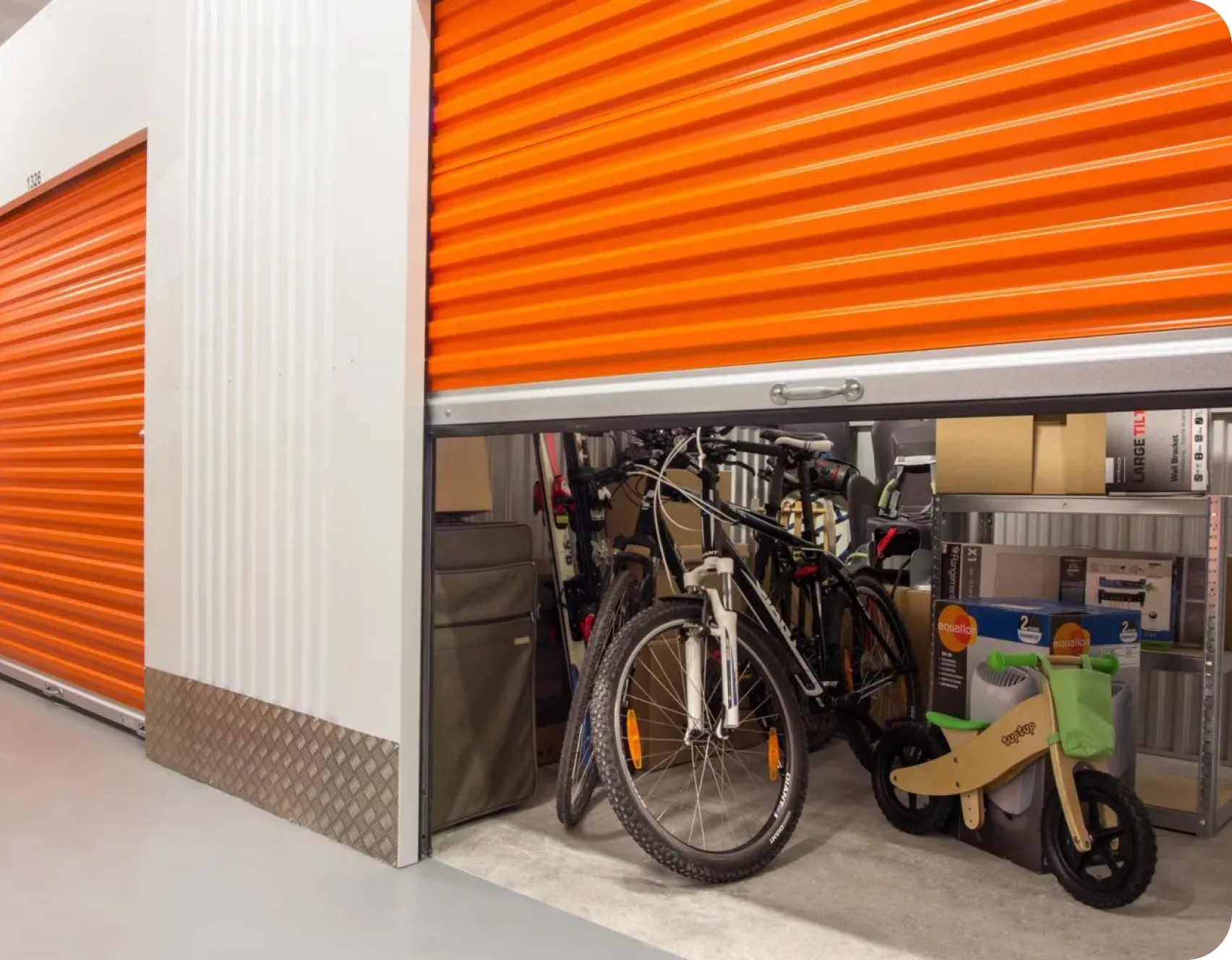
Most Dublin storage facilities provide month-to-month rental agreements, giving you flexibility without long-term commitments. It works really easily – you receive your own unit with secure access, typically through PIN codes or personal locks, alongside security features like CCTV surveillance and individual unit alarms.
Understanding Storage Unit Options in Dublin
Dublin storage facilities offer different types of units designed to match various storage needs.
Personal vs Business Storage
Personal storage units accommodate household items like furniture, seasonal decorations, sports equipment, or belongings you’re storing during transitions like house moves or renovations. Business storage caters to companies needing space for inventory, archived documents, equipment, or seasonal stock.
The main difference often lies in access requirements. Business users frequently need extended or round-the-clock access to retrieve inventory or documents outside standard hours, whilst personal storage users typically visit their units less frequently.
Short-Term vs Long-Term Storage
Short-term storage operates on flexible agreements, often month-to-month. You can rent for brief periods, making it suitable for house renovations, temporary relocations, or student storage during academic breaks.
Long-term storage may come with different pricing structures if you commit to extended periods. Some facilities offer rate adjustments for longer commitments, which can make sense if you know you’ll need storage for an extended duration.
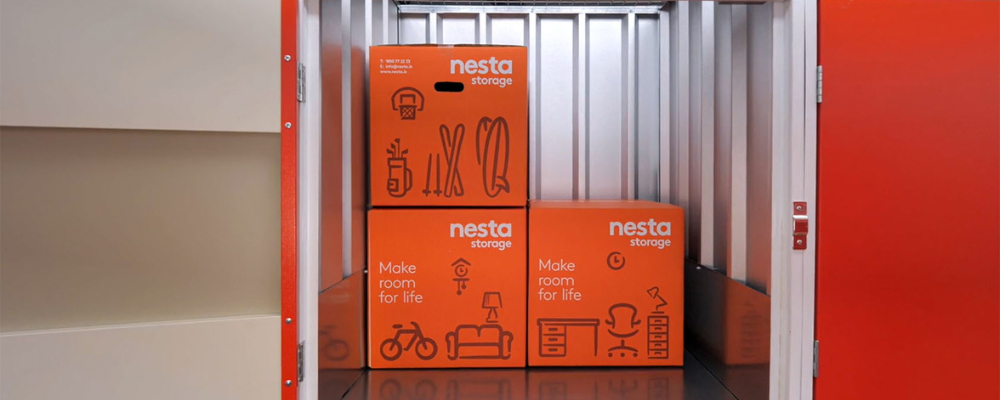
Storage Unit Sizes Available in Dublin
Choosing the right sized storage unit prevents you from paying for unused space or cramming items into an insufficient room.
Small Units (Approximately 25-50 sq ft)
Small units work for limited storage needs. A 25 sq ft unit typically holds several boxes or seasonal items, whilst a 50 sq ft space can accommodate studio apartment contents or serve as overflow storage for a one-bedroom flat.
Common storage unit use cases include:
- Student belongings during academic breaks
- Seasonal items like holiday decorations or sports equipment
- Small business document archives
- Gardening tools and equipment
- Boxes and small furniture items
Medium Units (Approximately 75-100 sq ft)
Medium-sized units suit one to two-bedroom homes or small business inventory needs. These spaces can typically accommodate living room furniture, bedroom items, appliances, and multiple boxes.
Businesses often use this size range for inventory storage, equipment, or archived documents that need to be accessible but not kept on-site.
Large Units (Approximately 150-200+ sq ft)
Large units accommodate three to four-bedroom home contents or substantial business inventory. These spaces can hold complete household furnishings, multiple appliances, and numerous boxes, or serve commercial operations needing significant storage capacity.
Contractors, e-commerce businesses, and companies with seasonal inventory often require this size range for equipment, stock, and materials.
Calculating What Size You Need
To estimate your storage requirements:
- List your large furniture items and estimate the floor space each requires
- Count boxes and small items (stacked boxes take less floor space than you might expect)
- Consider vertical space – facilities with high ceilings let you stack items
- Add roughly 10-20% extra space for access and manoeuvrability
Most facilities can provide size guidance based on what you’re storing. It’s worth visiting to see actual unit sizes rather than relying solely on square footage numbers, as layout and ceiling height significantly affect usable space.
Storage Unit Pricing in Dublin
Dublin storage unit pricing varies based on several factors beyond just unit size.
Factors Affecting Storage Costs
Storage rental rates typically reflect:
- Unit size (larger spaces cost more)
- Location within Dublin (some areas have higher property costs)
- Facility features (climate control, advanced security)
- Contract terms (month-to-month vs longer commitments)
- Access hours (24/7 access vs restricted hours)
What’s Typically Included in Your Unit Fees
Standard storage rental rates usually cover:
- Your private unit with secure access
- CCTV surveillance throughout the facility
- Security features like alarms and access control
- Building security and perimeter protection
- Facility maintenance and cleaning
- Basic customer support
Additional Costs to Consider
Beyond the monthly rental rate, you may encounter:
- Storage protection plans (sometimes optional, sometimes required)
- Locks or access devices if not using your own
- Administration or setup fees at some facilities
- Packing materials if purchasing from the facility
Always ask for total monthly costs including any mandatory extras before committing. Some facilities advertise low base rates but add significant required charges.
Comparing Costs Across Dublin
Storage costs can vary between Dublin areas. Facilities in prime locations or business districts may charge more than those in less central areas. However, convenience and accessibility might justify higher costs if you’ll be visiting frequently.
When comparing prices, consider:
- Total monthly cost including all mandatory fees
- Access hours that match your schedule
- Distance from your home or business
- Security features and facility condition
Comparing Dublin Storage Locations
Dublin storage facilities are distributed across the city to provide convenient access from various neighbourhoods.
North Dublin Storage
North Dublin facilities serve coastal areas and inland neighbourhoods across the city’s northern sectors. Locations near DART stations or major roads offer good accessibility via public transport or car.
These facilities typically serve residential customers from North Dublin communities as well as businesses operating in the area.
South Dublin Facilities
South Dublin has multiple storage locations serving different neighbourhoods and business districts. Facilities in this area range from residential-focused locations to those near commercial centres.
Public transport options like the DART and Luas provide access to some South Dublin facilities, whilst others are more car-dependent.
West Dublin Coverage
West Dublin facilities serve neighbourhoods in that area with good road access via major routes. These locations often appeal to both residential customers and businesses needing convenient access from the western parts of the city.
Accessibility Considerations
When choosing a storage location, consider:
- Proximity to your home or business
- Public transport access if you don’t drive
- Parking availability for loading and unloading
- Access to major roads for convenient driving routes
- Frequency of visits you anticipate
Location-Specific Features
Different storage unit locations may offer varying features. Some might have loading bays or drive-up units for convenient access, whilst others might be in multi-storey buildings with lift access. Visit potential facilities to see what works best for your needs.

Security Features in Dublin Storage Units
Security is a primary concern when choosing where to store valuable belongings or business inventory.
CCTV Surveillance
Reputable Dublin storage facilities operate CCTV monitoring across their properties. Cameras typically cover entry points, corridors, unit areas, and perimeter fencing.
The presence and quality of CCTV systems varies between facilities. When visiting, look for well-maintained cameras in good working order rather than old or obviously non-functional equipment.
Unit-Level Security
Individual unit security often includes:
- Personal locks or PIN code access unique to each renter
- Alarm systems on individual units
- Secure unit doors that close and lock properly
Some facilities use traditional locks whilst others employ keypad or PIN code systems. Each approach has advantages – PIN codes can’t be lost like keys, but some people prefer the tangible security of a physical lock they control.
Facility-Wide Security Measures
Beyond unit-level security, facilities typically provide:
- Perimeter fencing
- Secure entry gates with controlled access
- Good lighting throughout the property
- Clear sightlines (no hidden corners where someone could work unseen)
Storage Protection Considerations
Storage protection plans protect your belongings against theft, fire, water damage, or other covered events. Some facilities require protection plans, whilst others make it optional.
Before purchasing separate storage protection:
- Check your existing home or business insurance policy
- Many policies cover items stored off-site up to certain limits
- If your current coverage is insufficient, consider supplemental protection
Protection plan costs and coverage amounts vary significantly between providers, so compare options if you need additional coverage.
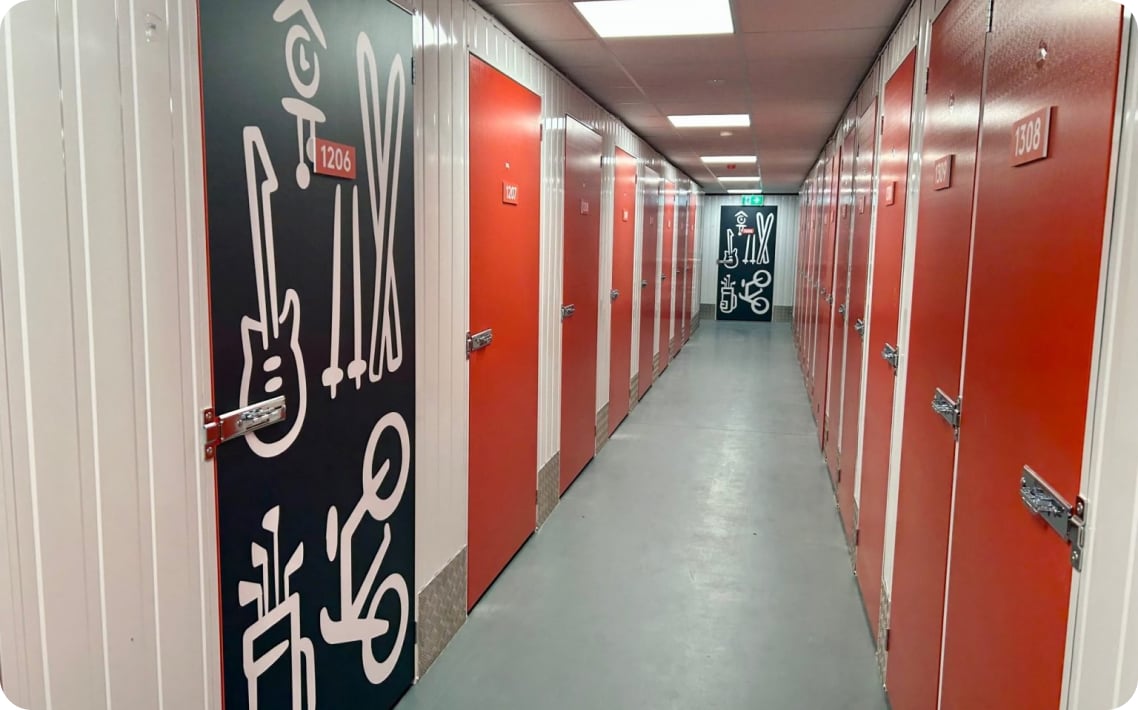
Determining What Size Storage Unit You Need
Most people struggle to estimate storage space requirements accurately. Here’s a practical approach.
Room-by-Room Inventory Method
Walk through your home or business and list what you’re storing:
- Note large furniture pieces and their approximate dimensions
- Count boxes (be realistic – most people underestimate box quantities)
- List appliances, equipment, or awkward items
- Consider seasonal items you’re storing
This inventory helps you visualise what’s going into storage and estimate space requirements more accurately.
Common Space Requirements
Whilst every situation differs, some general patterns emerge:
- Studio or one-bedroom flat contents often fit in smaller units
- Two-bedroom homes typically need medium-sized spaces
- Three to four-bedroom homes require larger units
- Business inventory varies dramatically based on stock type and volume
The Overestimating vs Underestimating Problem
Renting a unit that’s too large wastes money on unused space. However, renting too small creates problems:
- Items won’t fit, requiring a second unit or immediate upgrade
- Cramming items in makes them difficult to access
- Poor stacking due to space constraints can damage belongings
The sensible approach is to inventory carefully and rent slightly larger than your minimum calculated need. This provides space to move around and access items without paying for excessive unused area.

Getting Expert Guidance
Most storage facilities offer size recommendations based on what you’re storing. Describing your situation to facility staff can provide helpful guidance, especially for first-time storage users.
Consider visiting the facility to see actual unit sizes. Square footage numbers don’t convey the same information as standing in the space and visualising your belongings inside.
Choosing the Right Storage Facility in Dublin
Not all storage facilities offer equivalent value, service, or security standards.
Location and Accessibility
Choose a facility location based on how often you’ll visit. If you’ll access your unit weekly, proximity to your home or business matters significantly. For long-term storage you’ll rarely visit, location becomes less critical than other factors like price and security.
Check facility access hours. Some offer round-the-clock access, whilst others restrict entry to business hours. If you work standard office hours, evening and weekend access may be necessary.
Security and Safety Standards
Visit potential facilities before booking. Look for:
- Well-maintained CCTV cameras positioned to cover key areas
- Secure gates that close properly and don’t remain propped open
- Good lighting in corridors and loading areas
- Clean, dry units without signs of moisture or pest problems
- Professional management and maintained grounds
Pricing Transparency
Ask for the complete monthly cost upfront, including all mandatory fees. Some facilities advertise attractive base rates but add required extras that significantly increase actual costs.
Reputable facilities provide clear, written pricing that explains:
- Base monthly rental rate
- Any mandatory protection plans or fees
- Optional services and their costs
- When and how rates might increase
Contract Terms and Flexibility
Understand the rental agreement before signing:
- What notice period is required to vacate?
- Are there penalties for ending rental early?
- Can you change unit sizes if your needs change?
- What happens at contract renewal or end of term?
- Are there restrictions on what you can store?
Facility Condition and Maintenance
Walk through the facility and inspect units. Look for:
- Clean corridors and common areas
- Dry units without water stains or moisture
- Doors and locks that function properly
- Working lights throughout the property
- Overall maintenance and upkeep
Customer Service Quality
Contact the facility with questions before booking. Notice:
- How quickly they respond
- Whether they answer questions clearly and completely
- If they’re willing to show you the facility
- How they handle concerns or issues
Good customer service before you rent typically indicates good service after you’re a customer.
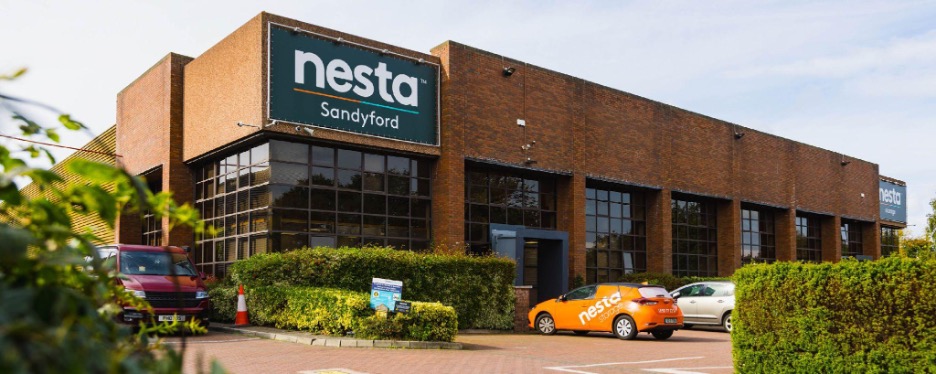
Nesta’s Dublin Storage Locations
Nesta Storage operates six storage facilities across Dublin, providing coverage in North, South, and West Dublin areas.
Kilbarrack
The Kilbarrack location serves North Dublin’s coastal communities. Its position near the DART line makes it accessible via public transport.
Santry
Santry offers access from various parts of Dublin, with its position near the M50 providing convenient driving routes.
Churchtown
Churchtown serves residential areas in that part of the city.
Deansgrange
The Deansgrange facility is positioned in Southeast Dublin with DART access nearby.
Sandyford
Sandyford sits in Dublin’s business district, making it convenient for commercial storage users whilst also serving residential customers.
Kylemore
Kylemore serves West Dublin with good road access to major routes.
All Nesta locations provide security features and serve both home storage and business storage needs.
Booking Your Storage Unit
Renting a storage unit in Dublin is typically straightforward once you’ve decided on a facility and unit size.
Booking Process
Many facilities offer online booking, whilst others require phone or in-person arrangements. The process generally involves:
- Selecting your desired unit size
- Choosing your preferred location
- Picking your move-in date
- Completing a rental agreement
- Making your initial payment
Required Documentation
You’ll typically need:
- Photo ID (passport or driving licence)
- Proof of address (recent utility bill or bank statement)
- Payment method details
Business customers usually need company documentation as well.
Move-In Procedures
On move-in day, you’ll receive:
- Access codes or keys for the facility and your unit
- Facility rules and access hours information
- Contact details for support or emergencies
Most facilities allow you to begin moving items in immediately after booking, though some require advance notice.
Payment Methods
Dublin storage facilities commonly accept:
- Debit cards
- Credit cards
- Direct debit arrangements
- Bank transfers
Confirm accepted payment methods when booking.
First-Time Renter Considerations
Before booking:
- Visit the facility in person if possible
- Confirm total monthly costs in writing
- Understand access hours and any restrictions
- Read the rental agreement completely
- Ask about policies for changing or ending your rental
- Take photos of your empty unit before moving items in
Common Questions About Storage Units in Dublin
Whether you are comparing prices, checking access arrangements or deciding which unit size you need, it helps to understand how self-storage works before booking.
Below, we answer some of the most common questions about renting a storage unit in Dublin, covering rental periods, prohibited items, access hours and changing units as your needs evolve.
How Long Can I Rent a Storage Unit?
Storage rental periods vary by facility and agreement type. Many facilities offer month-to-month agreements that continue as long as you keep paying, with no maximum duration. Others may offer or require fixed-term contracts for specific periods.
What Items Are Prohibited?
Dublin storage facilities typically prohibit:
- Perishable food
- Flammable materials (petrol, paint thinners, fireworks)
- Live animals or plants
- Any illegal items
- Hazardous chemicals
- Weapons or ammunition
Most household items, furniture, clothing, books, electronics, business inventory, and documents can be stored without restriction. Check with your facility about any specific items you’re unsure about.
Can I Access My Unit Anytime?
Access hours vary significantly between Dublin storage facilities. Some offer 24/7 access year-round, whilst others restrict entry to business hours or specific time windows.
Confirm access hours before booking, especially if you need evening or weekend access. Limited access hours can make a facility less convenient even if it’s otherwise suitable.
Can I Change Unit Sizes?
Most facilities allow unit changes subject to availability and agreement terms. Upgrading to a larger unit is typically straightforward – you pay the new rate from your change date. Downsizing may have more restrictions depending on your rental agreement.
Ask about unit change policies before booking, particularly if there’s any chance your storage needs might change.
Ready to find storage that fits your needs? Nesta Storage offers locations across Dublin for both home and business storage requirements.