
Seasonal Storage Swap: Storing Winter Clothes for Summer

Table of Contents
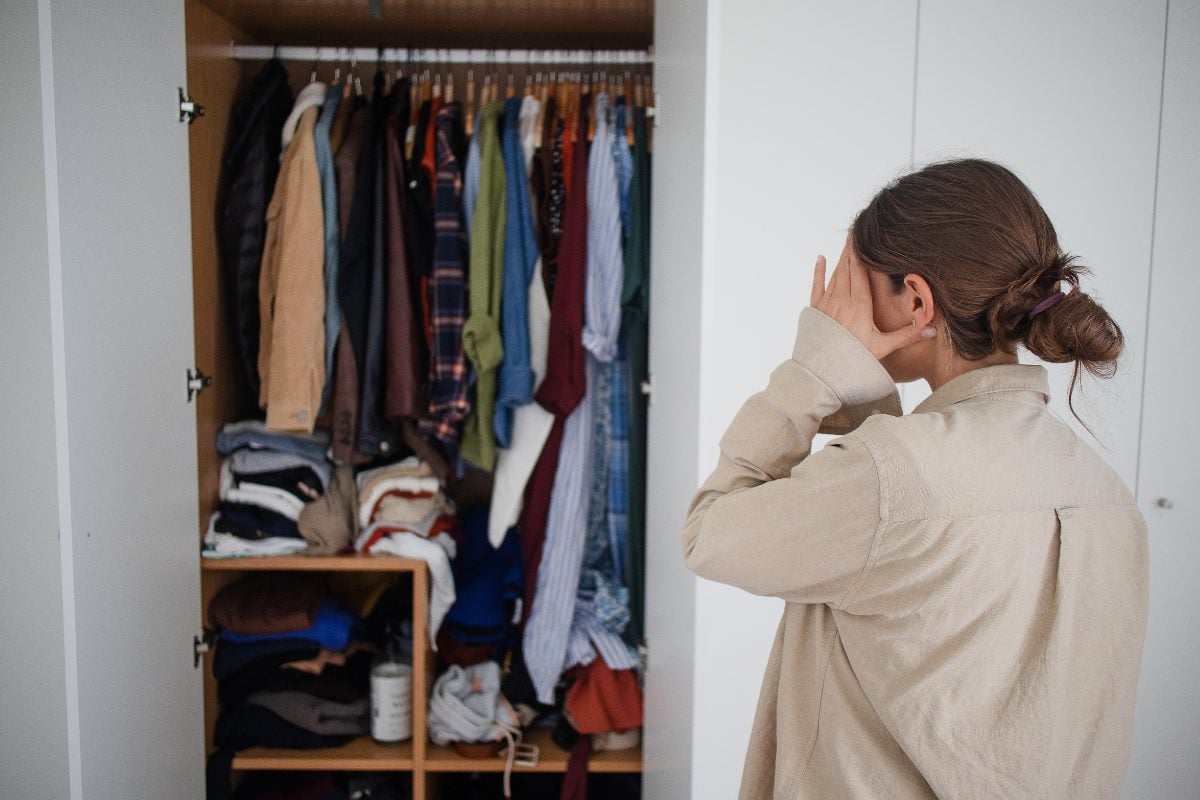
Heavy coats are piling on the coat rack. Thick jumpers fill up half the wardrobe. Your winter clothes are taking up too much space.
Storing winter clothes for summer doesn’t have to be a big project.
With the right approach to clothes storage, you can free up serious wardrobe space, protect your clothes, and make getting dressed less stressful. Here’s how.
Why Bother with Seasonal Clothing Storage?
Rotating and decluttering your wardrobe each seasonal changeover means you can actually see what you own, your clothes last longer (no more squashing and misshaping), and your day-to-day space feels noticeably calmer.
It’s a simple, year-round habit that makes a real difference when swapping out your winter clothes for summer clothes.
How to Store Winter Clothes for Summer
Step 1: Wash Everything First
This is the step people skip, and it’s the most important one.
Body oils, sweat, and invisible stains will set over months and can be nearly impossible to shift later. Washing also removes any scent that could attract moths.
- Follow care labels. Wool and cashmere often need a gentle hand wash.
- Make sure everything is completely dry before packing. Dampness causes mildew.
- Check pockets for anything that could damage fabric over time.
Step 2: Sort Before You Pack
Take twenty minutes to declutter before boxing anything up.
- Did I wear this at all last winter?
- Does it still fit and do I actually like it?
- Is it in good condition?
Anything unworn for a full year is unlikely to get worn next year.
Donate good-quality pieces to local charity shops and recycle anything worn out at textile collection points. The less you store, the easier – and less stressful – managing everything becomes.
Step 3: Choose the Right Containers
- Nesta storage boxes are stackable, and easy to label. Best for jumpers, jeans, and accessories.
- Fabric storage bags allow airflow, making them a good choice for wool coats or linen pieces. Not ideal if dampness is a risk.
- Vacuum storage bags reduce bulk by up to 80%. Great for duvets and puffer jackets, but avoid using them on tailored or delicate pieces as compression can distort the shape.
Step 4: Pack and Store Correctly
- Fold jumpers flat rather than hanging them (hanging stretches wool out of shape).
- Use cedar balls or lavender sachets instead of mothballs.
- Add silica gel packets to absorb moisture.
- Label every box clearly: “Winter coats”, “Jumpers”, “Scarves and gloves”.
- Keep boxes in a cool, dark, dry space away from direct sunlight.
Where Should You Store Winter Clothes at Home?
| Location | Pros | Watch out for |
| Under the bed | Convenient, out of sight | Limited space, dust |
| Attic | Out of the way | Moisture and temperature swings in most Irish homes |
| Garage | Easy access | Damp, cold, not suitable long-term without sealed boxes |
| Spare room | Best home option | Not always available |
When Home Storage Runs Out
For a lot of people in and around Dublin, space is simply limited. Apartments, house shares, terraced houses with small bedrooms.
When you’ve used every corner, renting a storage unit in Dublin is well worth considering.
When Self Storage Makes Sense
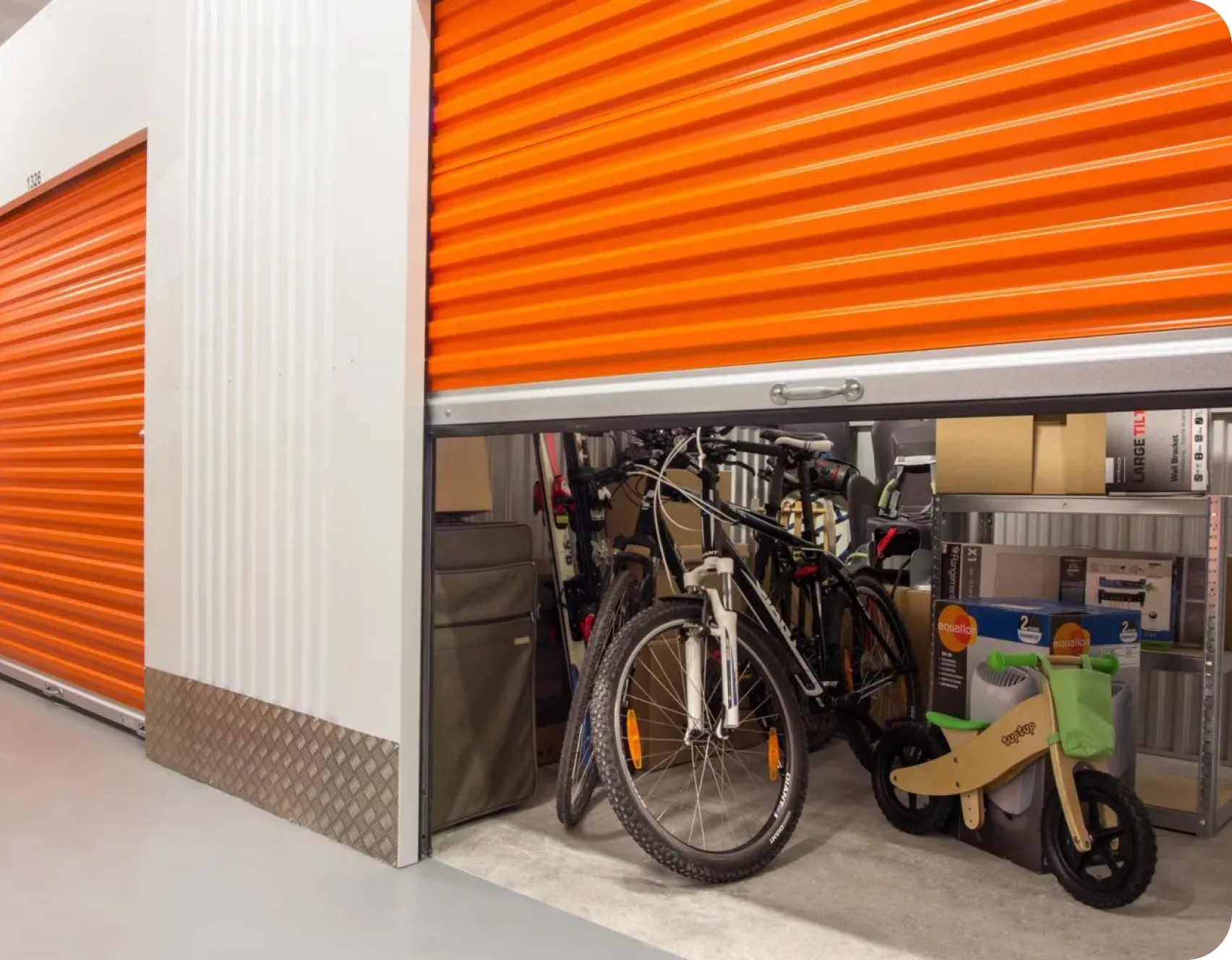
A self-storage unit gives you a clean, dry, secure space for seasonal items you don’t need at home year-round. It’s not just for moving house.
Plenty of people use storage units for exactly this kind of seasonal wardrobe swap, think of it as your own personal storage room.
It works particularly well if you:
- Live in a flat or apartment with limited built-in storage
- Share a house without exclusive wardrobe space
- Have a growing family with clothes being handed down over the years
- Own quality winter pieces you want to store properly
If you’ve been searching for self storage near me or storage units near me, Nesta Self Storage has locations across Dublin to suit most parts of the city.
Our Dublin storage units are more affordable than most people expect, and with flexible month-to-month options, you’re not locked into anything long-term.
Unit prices vary by size, so whether you need a small unit for a few boxes or something bigger for a full seasonal clear-out, there’s an option to suit your budget.
Download our free seasonal storage checklist.
Frequently Asked Questions About Storing Winter Clothes
How do I store winter clothes long term?
Clean everything first, then pack into sealed containers with moth deterrents and silica gel. Store in a cool, dry, dark space and avoid cramming items in.
Should clothes be washed before storage?
Yes, always. Invisible stains and body oils set over time and become very difficult to remove. Washing also removes scents that attract moths.
Are vacuum bags good for winter coats?
Vaccum bags are good for padded jackets and duvets. Avoid using them on tailored coats or structured wool pieces as the compression can permanently alter the shape.
Can clothes be damaged in an attic?
Yes. no converted attics can be damp and experience temperature swings. Use sealed airtight boxes, add silica gel, and keep everything off the floor.
What is the best way to store wool jumpers?
Fold flat and store in a breathable fabric bag or sealed box with a cedar block or lavender sachet. Never hang wool as it will stretch.
How much storage space do winter clothes need?
Most people manage with one or two large boxes (60 to 80 litres each). Vacuum bags for bulkier items can reduce the volume significantly.