
The Ultimate Guide on How to Store Sports Equipment

Table of Contents
If you love staying active, you’ll know how quickly sports equipment can take over your space. Bikes in hallways, hurls in corners, gym gear underfoot. It adds up fast. And while it all serves a purpose, it doesn’t have to dominate your home.
The good news is, with a bit of structure and some smart storage choices, you can keep your equipment organised, protected, and ready to go without sacrificing your living space.
This guide brings together everything you need to know – whether you’re storing gear short term between workouts or packing it away for the off-season – we’ve collected some tips on how to get the best results on storing your items so they’re good to go when you need them.
Why Proper Sports Equipment Storage Matters
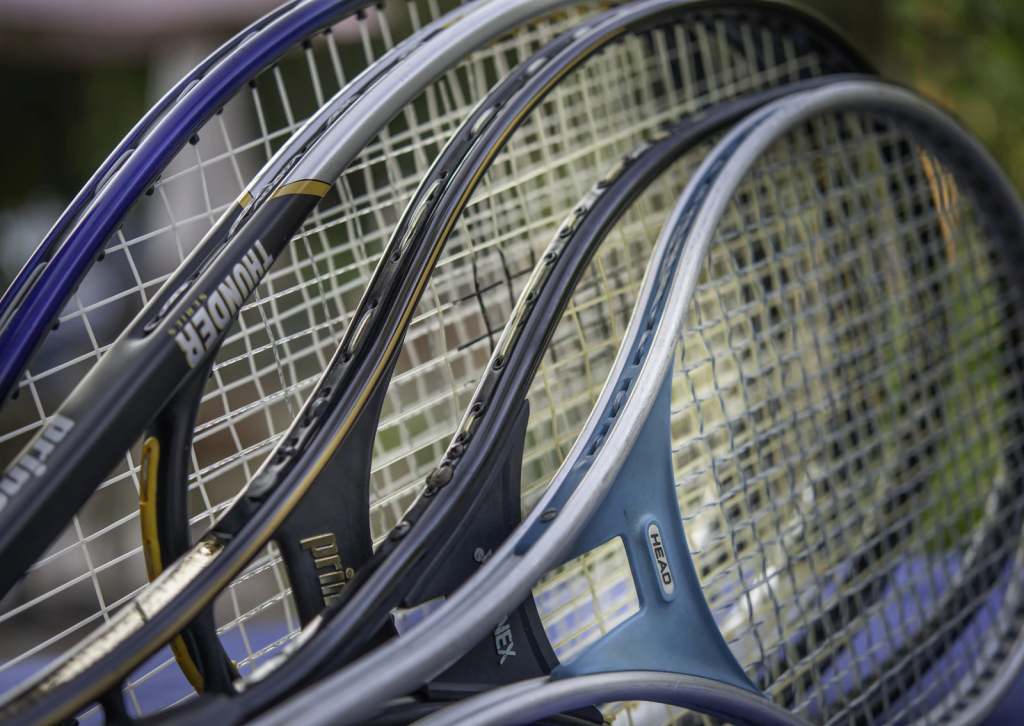
Storing your equipment properly is not just about tidiness. It directly impacts how long your gear lasts and how well it performs.
Poor storage can lead to:
- Warping from temperature changes
- Mould or mildew from trapped moisture
- Cracking in leather or wood
- Unnecessary wear and tear
A little preparation now saves you money and frustration later.
Step 1: Prepare Your Equipment Before Storage
Before anything goes into storage, take a bit of time to get it ready. This is where most people cut corners, and it’s often why gear doesn’t last as long as it should.
Take Inventory and Declutter
Go through everything you own. If something is broken, worn out, or no longer used, it’s time to let it go. This keeps your storage space efficient and makes next season easier to plan for.
Clean and Disinfect
Wipe down all equipment with disinfectant. This removes dirt, sweat, and bacteria that can cause odours or damage over time.
Protect Materials Properly
Different materials need different care:
- Leather (gloves, balls): Keep in a dry, ventilated space. Store gloves with a ball inside to maintain shape.
- Wood (hurleys, hockey sticks): Keep away from direct sunlight and damp conditions to prevent warping.
- Fabric (kits, wetsuits, padding): Ensure everything is completely dry before storing.
Deflate Inflatable Equipment
Partially deflate balls and other inflatable objects such as boards, bats or goalposts to prevent pressure damage caused by temperature changes.
Step 2: Short-Term Storage at Home
If you’re using your gear regularly, the short-term storage goal is simple. Keep it accessible, tidy, and out of the way.
Make It Part of Your Space
Sports equipment does not have to be hidden. In fact, it can add character to your home.
- Wall-mount bikes, skateboards, or surfboards
- Use shelving to display smaller items like hurleys or bats
- Store foldable gym equipment under beds or sofas
Use Smart Storage Solutions
Think vertical and modular:
- Peg boards for helmets and accessories
- Storage benches for shoes and smaller gear
- Hooks and racks to keep floors clear
The key is to avoid clutter while keeping everything easy to grab.
Step 3: Long-Term Storage Solutions
When the season ends, your priorities change. Now it’s about protection and preservation in line with your calendar.
Pack Equipment Correctly
- Use clean, sealed containers
- Cover items with sheets or lids
- Keep everything elevated off the ground using pallets or shelving
Control Moisture and Airflow
Even without climate control, airflow matters. Avoid sealing damp items in airtight containers.
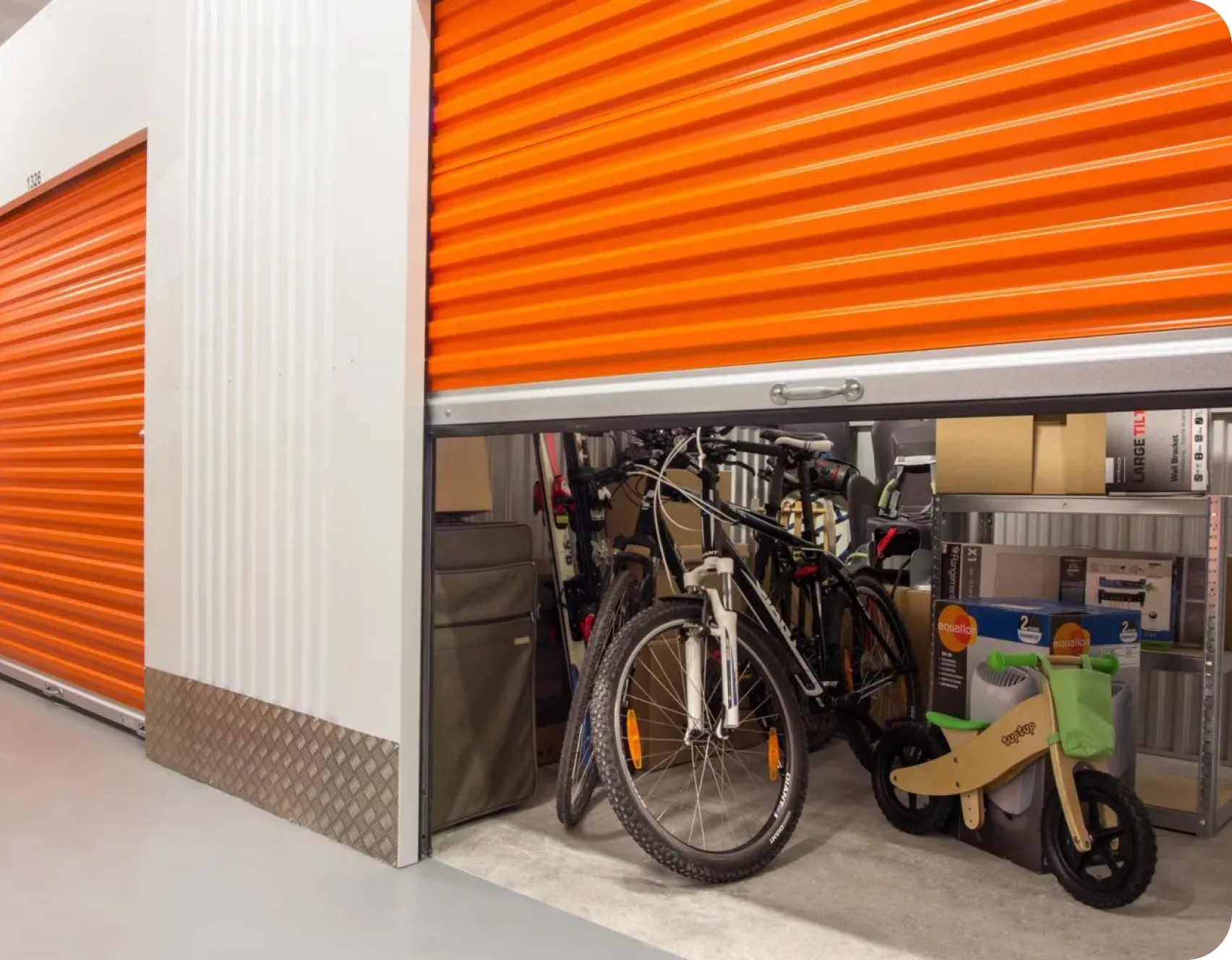
Consider a Storage Unit
If space at home is limited, a domestic storage unit is often the simplest solution.
A dedicated storage unit allows you to:
- Free up space at home
- Store bulky or seasonal equipment safely
- Keep everything organised in one place
In most cases, climate-controlled units are not essential, which helps keep costs down.
Step 4: Garage and Outdoor Storage Ideas
If you have a garage or shed, you already have a great storage opportunity. It just needs a bit of structure.
Optimise Wall Space
- Install peg boards for helmets and accessories
- Use hooks for bikes and larger items
- Add wire baskets for balls and smaller gear
Use Dedicated Storage Zones
- Crates for sticks and long equipment
- Shelves for shoes and boots
- Racks for gym bags and foldable chairs
Allow Equipment to Breathe
Use drying racks for:
- Wetsuits
- Padding
- Shoes
This prevents dampness and odours from building up between uses.
Step 5: Storing Sports Equipment for Schools or Families
When you’re dealing with larger volumes, organisation becomes even more important.
Use Mobile Storage
Rolling carts make it easy to transport equipment and keep everything in one place.
Separate by Type or User
Labelled storage boxes help keep items organised and easy to find.
Invest in Equipment Carts
Perfect for storing and moving:
- Footballs, basketballs, sliotars, rugby balls, etc..
- Skipping ropes, cones, training gear, etc..
It saves time and keeps everything structured.
Common Storage Mistakes to Avoid
Even with the best intentions, a few small mistakes can undo your efforts:
- Storing damp equipment
- Leaving items directly on concrete floors
- Over-inflating balls during storage
- Ignoring ventilation
- Mixing clean and dirty gear
Avoiding these makes a noticeable difference over time.
The Nesta Verdict on Storing Your Sports Gear
Storing sports equipment properly is less about finding space and more about using it wisely. With the right approach, you can protect your gear, reduce clutter, and make your home feel more organised without giving anything up.
Short term, it’s about accessibility and smart design. Long term, it’s about protection and planning.
And if your equipment is starting to outgrow your space, that’s usually a sign you need a more flexible solution. Whether it’s reorganising your home, upgrading your garage, or using a dedicated storage unit, the goal stays the same. Keep your gear safe, your space clear, and everything ready for when you need it next.
If you’re looking for help when it comes to how to store sports equipment, we can help you – Get a free self-storage quote from us today.