
Keep It, Sell It or Throw It Away? Solving Your Furniture Riddles

Table of Contents
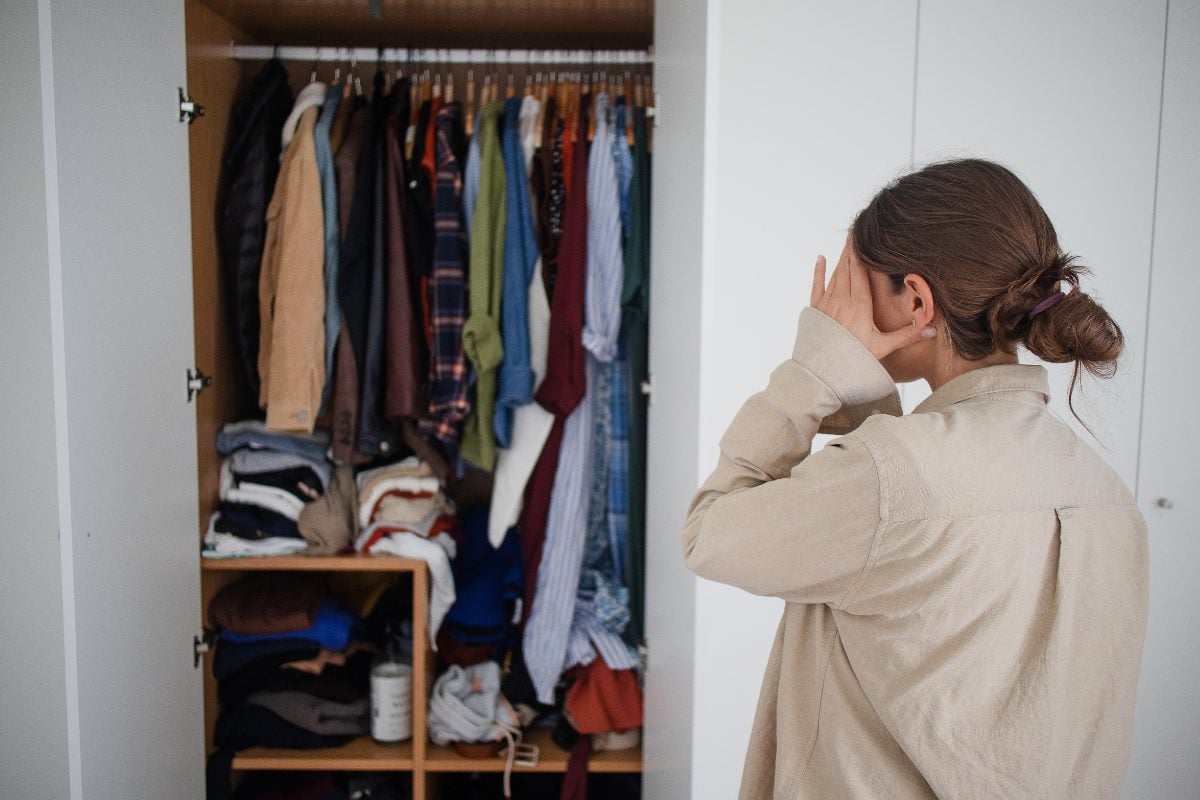
A sofa that no longer fits the room. A dining table left over from your last home. A much-loved chair that needs repairing. Most of us own furniture we do not currently use but cannot immediately decide what to do with.
Should you keep it, sell it, donate it, upcycle it or dispose of it?
Before making a decision, consider the furniture’s condition, practical value, sentimental importance and likelihood of being used again. This guide will help you choose the right option without making a decision you may later regret.
Five questions to ask before parting with furniture
When you are decluttering, moving house or renovating, it is tempting to make quick decisions simply to clear the room.
Before letting a piece go, ask yourself:
- Is it in good condition or reasonably easy to repair?
- Would replacing it later cost more than storing it?
- Does it have sentimental, family or collectible value?
- Am I likely to use it in my next home or after my renovation?
- Do I have a genuine plan for it, rather than a vague feeling that it might be useful someday?
Your answers should point you towards one of four options: keep and use it, place it in storage, sell or donate it, or dispose of it responsibly.
If you love pieces of furniture, but they don’t really match your new interiors, or you’re about to move and you don’t have room for a sofa in the sitting room or a chaise lounge in the boudoir, don’t feel that the only option is to chuck them away.

Keep it or store it
Furniture does not have to suit your home today to be worth keeping.
You may be temporarily short of space, moving into a smaller property, renovating a room or combining two households. A sofa, desk or chest of drawers that feels inconvenient now could become useful again once your circumstances change.
Storage is often the sensible choice when:
- The furniture is valuable or expensive to replace.
- It is well made and likely to last for many years.
- You expect to need it after a house move or renovation.
- It belongs to a family member who will use it in the future.
- It has sentimental value that cannot be replaced.
- You want time to make a considered decision.
Family heirlooms deserve particular care. A rocking chair, writing desk or cabinet may not complement your current interior, but its emotional or historical value can outweigh its immediate practical use.
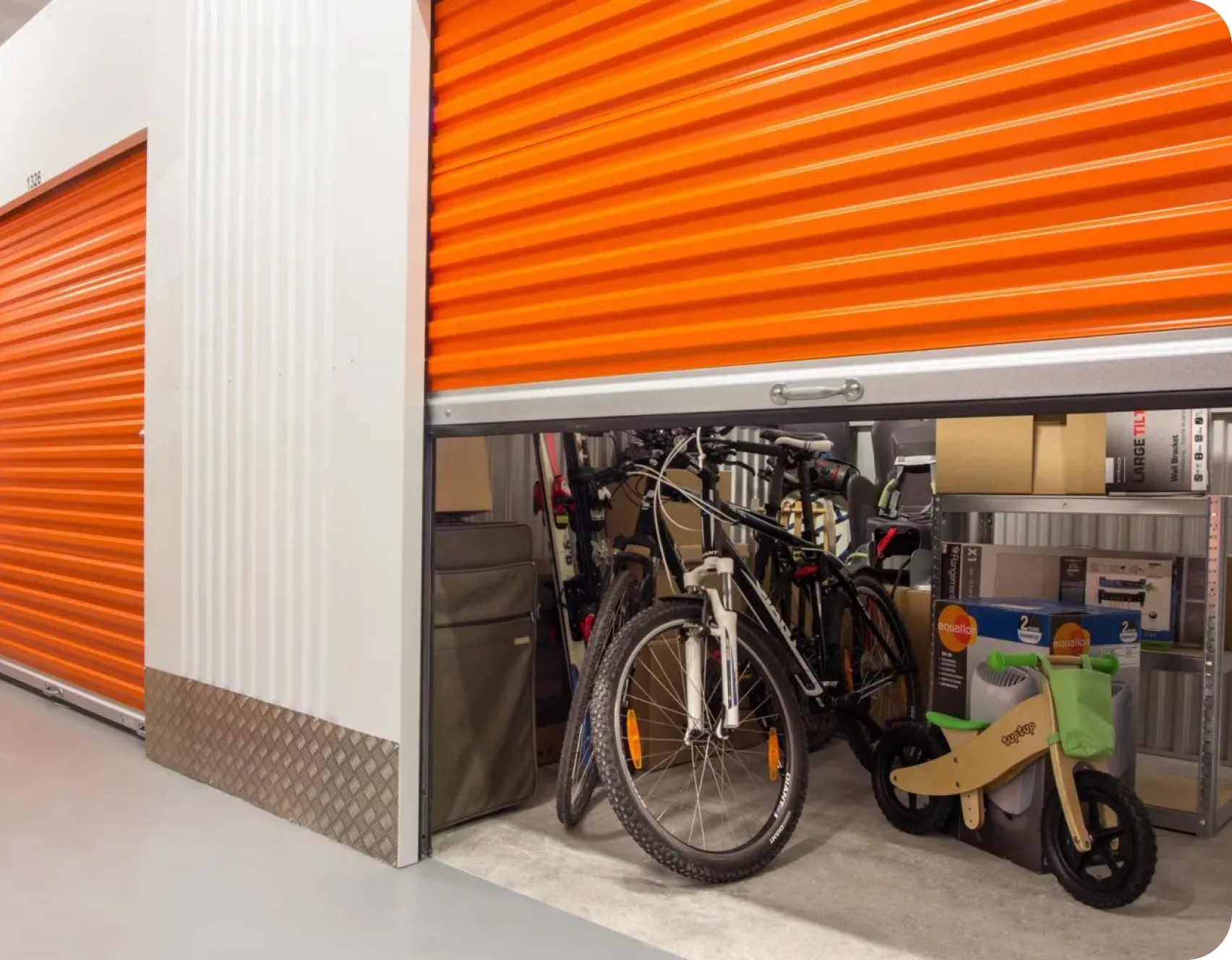
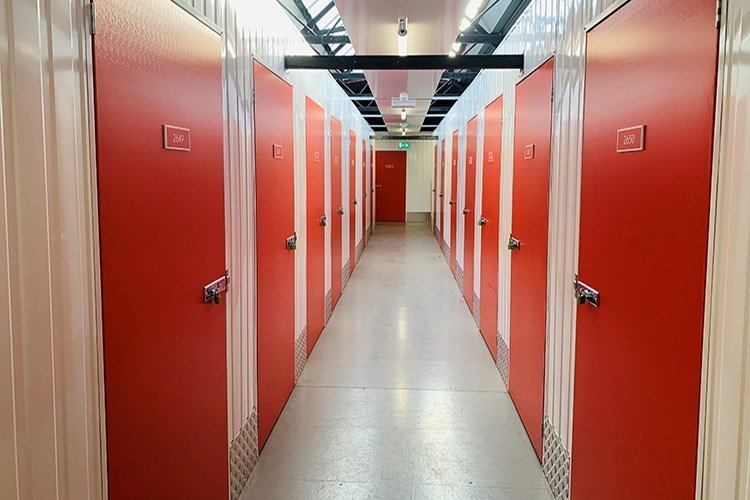
Nesta’s secure furniture storage units in Dublin provide a temporary home for everything from sofas and tables to antiques and household furnishings. With a range of unit sizes and flexible rental terms, you can keep important pieces without allowing them to take over your living space.
Avoid storing furniture without a plan
Storage works best when it gives you useful breathing room, rather than postponing a decision indefinitely.
Label every item, photograph what you have stored and set a date to review it. If you have not found a use for an item after an agreed period, reconsider whether selling or donating it would be the better option.
Before moving anything into storage, read Nesta’s guide on how to pack furniture in a storage unit. Cleaning, drying, disassembling and protecting each piece properly will help keep it in good condition.

Sell it
Selling is a good option when furniture remains usable but no longer suits your home, lifestyle or available space.
Popular pieces, recognisable brands, solid-wood furniture and distinctive vintage items may retain reasonable resale value. Even everyday furniture can find a new home if it is clean, functional and priced realistically.
Before listing an item for sale:
- Clean it thoroughly.
- Complete simple repairs where worthwhile.
- Take clear photographs in natural light.
- Include accurate measurements.
- Describe its condition honestly.
- Mention any stains, scratches or missing parts.
- Decide whether collection or delivery is available.
Check comparable listings before setting the price. Remember that the price someone is asking does not necessarily reflect what buyers are actually willing to pay.
You should also consider the time and effort involved. If an item has little resale value and needs to be removed quickly, donation may be easier and more rewarding.
Donate it
Donation is a useful fourth option between selling and throwing furniture away.
A clean, safe and functional item that does not command much resale value may still be valuable to another household. Depending on the item and your location, charities, community groups, reuse organisations or local furniture projects may accept it.
Contact the organisation before bringing furniture to them. Acceptance policies vary, and some organisations may be unable to take upholstered furniture, mattresses, damaged items or unusually large pieces. Never leave furniture outside a charity shop without agreement.
You could also offer suitable furniture to friends, family, neighbours or a local community group. Rehoming an item keeps it in use and avoids unnecessary waste.
Repair or upcycle it
A scratched table or dated cabinet may need attention, not disposal. Painting, reupholstering, refinishing or replacing handles can give furniture an entirely different look.
Upcycling may be worthwhile when:
- The frame is solid and structurally sound.
- The repair is relatively straightforward.
- The piece fits your space but not your current style.
- You enjoy practical projects or can access affordable professional help.
- The finished item would cost more to replace than to restore.
Be honest about your available time and skills. If a chair has been waiting three years to be reupholstered, give yourself a firm deadline. Otherwise, sell or donate it to someone ready to complete the project.
Recycle or dispose of it responsibly
Sometimes furniture genuinely has reached the end of its useful life. It may be unsafe, badly damaged, contaminated, unstable or more expensive to repair than replace.
Before disposing of it, check whether any parts can be reused or recycled. Wood, metal and some textiles may need to be separated and handled differently. Your local authority, civic amenity site or authorised waste collector can advise you on the correct option for bulky household waste.
Avoid leaving unwanted furniture on the street or beside communal bins. Responsible disposal ensures that usable materials have the best chance of being recovered and that the remaining waste is handled correctly.
A quick furniture decision guide
- Keep or store it if it is valuable, sentimental, difficult to replace or likely to be used again.
- Sell it if it is in good condition, has resale value and you have time to find a buyer.
- Donate it if it is safe and usable but selling it is unlikely to be worthwhile.
- Repair or upcycle it if the structure is sound and the work required is realistic.
- Recycle or dispose of it if it is unsafe, unhygienic or genuinely beyond economical repair.
If you are still uncertain, give yourself a cooling-off period. Moving furniture into temporary storage can help you clear your home without forcing a rushed or irreversible decision.
Make space without saying goodbye
Decluttering does not have to mean parting with everything you cannot currently accommodate. Nesta offers secure, flexible furniture storage across six convenient Dublin locations, with units suitable for individual pieces or the contents of an entire home.
You can also explore Nesta’s advice on decluttering your home, protecting and storing outdoor furniture during winter, and deciding what to throw away when decluttering.
If keeping your furniture is the right decision but space is the problem, get a furniture storage quote from Nesta and give yourself room to decide what comes next!