
Top Storage Tips: The Complete Guide to Packing, Organising and Using Self-Storage

Table of Contents
Whether you’re moving house, renovating, downsizing, relocating your business, heading overseas, or simply running out of space at home, self-storage offers a practical and secure way to protect your belongings while creating room for what matters most.
From furniture and appliances to important documents and treasured family keepsakes, knowing how to pack and organise your storage unit properly can save you time, money and stress.
At Nesta Storage, we help individuals, families and businesses across Dublin find flexible storage solutions for every stage of life. Use these expert storage tips to choose the right unit, pack efficiently, and keep your belongings in excellent condition while in storage.
Choose the Right Storage Unit Size
One of the most common mistakes people make is renting a storage unit that is either too small or unnecessarily large.
Before booking a unit, create an inventory of everything you plan to store. This will help you estimate how much space you need and avoid paying for unused storage space.
As a general guide:
- Smaller units are ideal for decluttering, seasonal items, sports equipment and boxes.
- Medium-sized units can accommodate the contents of a one or two-bedroom home.
- Larger units are suitable for house moves, business stock, office furniture and commercial storage requirements.
If you’re unsure which unit size is best, explore our Storage Units Size Guide for guidance and expert advice.
Prepare Before You Pack
Taking time to prepare your belongings before moving them into storage can help prevent damage and make unpacking much easier later.
Before packing:
- Create an inventory list.
- Sort items into categories.
- Donate, recycle or dispose of anything you no longer need.
- Purchase quality packing supplies.
- Label every box clearly.
- Photograph valuable items for insurance purposes.
Using sturdy boxes and protective wrapping materials can significantly reduce the risk of damage during transport and storage.
Pack Your Storage Unit Like a Pro
A well-organised storage unit saves time and maximises available space.
Follow these simple packing tips:
- Use smaller boxes for heavy items.
- Place heavier boxes at the bottom and lighter boxes on top.
- Leave a walkway through the centre of the unit for easy access.
- Store frequently used items near the front.
- Stack boxes safely and securely.
- Avoid overloading boxes.
- Label every side of each box.
For larger moves, Nesta provides trolleys, pallet trucks, moving carts and forklift assistance to make moving day easier.
The Most Common Items People Store (And How to Store Them Properly)
Furniture
Furniture remains one of the most frequently stored household items.
To protect your furniture:
- Disassemble larger items where possible.
- Store screws and fittings in labelled bags.
- Wrap wooden furniture with protective covers.
- Keep upholstered furniture clean and dry.
- Position tables upside down to save space.
- Use mattresses and soft furnishings as protective layers between items.
If storing furniture for an extended period, avoid placing heavy objects directly on top of sofas or mattresses.
Electronics
Televisions, gaming consoles, speakers, monitors and other electronics can be safely stored when packed correctly.
Best practices for storing electronics include:
- Use original packaging where available.
- Remove batteries if appropriate.
- Keep cables and accessories together in labelled bags.
- Protect screens with padded wrapping.
- Store electronics away from moisture.
Labelling cables before storage can save considerable frustration when setting everything up again.
Home Appliances
Many people place appliances in storage during house moves, renovations or downsizing projects.
Before storing your appliances:
- Clean and dry appliances thoroughly.
- Defrost fridges and freezers completely.
- Leave appliance doors slightly open to prevent odours.
- Secure loose components.
- Store larger appliances against walls to maximise space.
Documents, Files and Business Records
Businesses often use self-storage for archiving to free up valuable office space while retaining access to important paperwork.
For handy document storage:
- Use airtight plastic containers.
- Store files off the floor.
- Clearly label archive boxes.
- Keep sensitive records organised by category.
Businesses looking for additional space may also benefit from our Office Space Rental solutions.
Antiques, Artwork and Collectables
Valuable and sentimental items require extra care.
When storing antiques or artwork:
- Wrap individual items separately.
- Use acid-free packing materials where possible.
- Store framed artwork upright rather than flat.
- Keep items elevated off the floor.
- Ensure valuables are appropriately insured.
Books, Photographs and Magazines
Paper items are particularly vulnerable to environmental damage.
Protect your analogue media collection items by:
- Using acid-free boxes for photographs.
- Storing books upright when possible.
- Placing tissue paper between magazine pages.
- Avoiding tightly packed containers.
- Keeping collections organised and labelled.
CDs, DVDs and Media Collections
While many collections have become digital, physical media often retains sentimental or collector value.
Store CDs, DVDs and records:
- In sealed containers.
- Away from direct sunlight.
- In protective sleeves or cases.
- Vertically where appropriate.
Seasonal Decorations
Christmas decorations, Halloween props and seasonal household items often take up valuable storage space throughout the year.
Store your decorations in clearly labelled containers and wrap delicate ornaments individually to prevent breakages.
Sports Equipment
Sports equipment can quickly overwhelm garages, sheds and spare rooms.
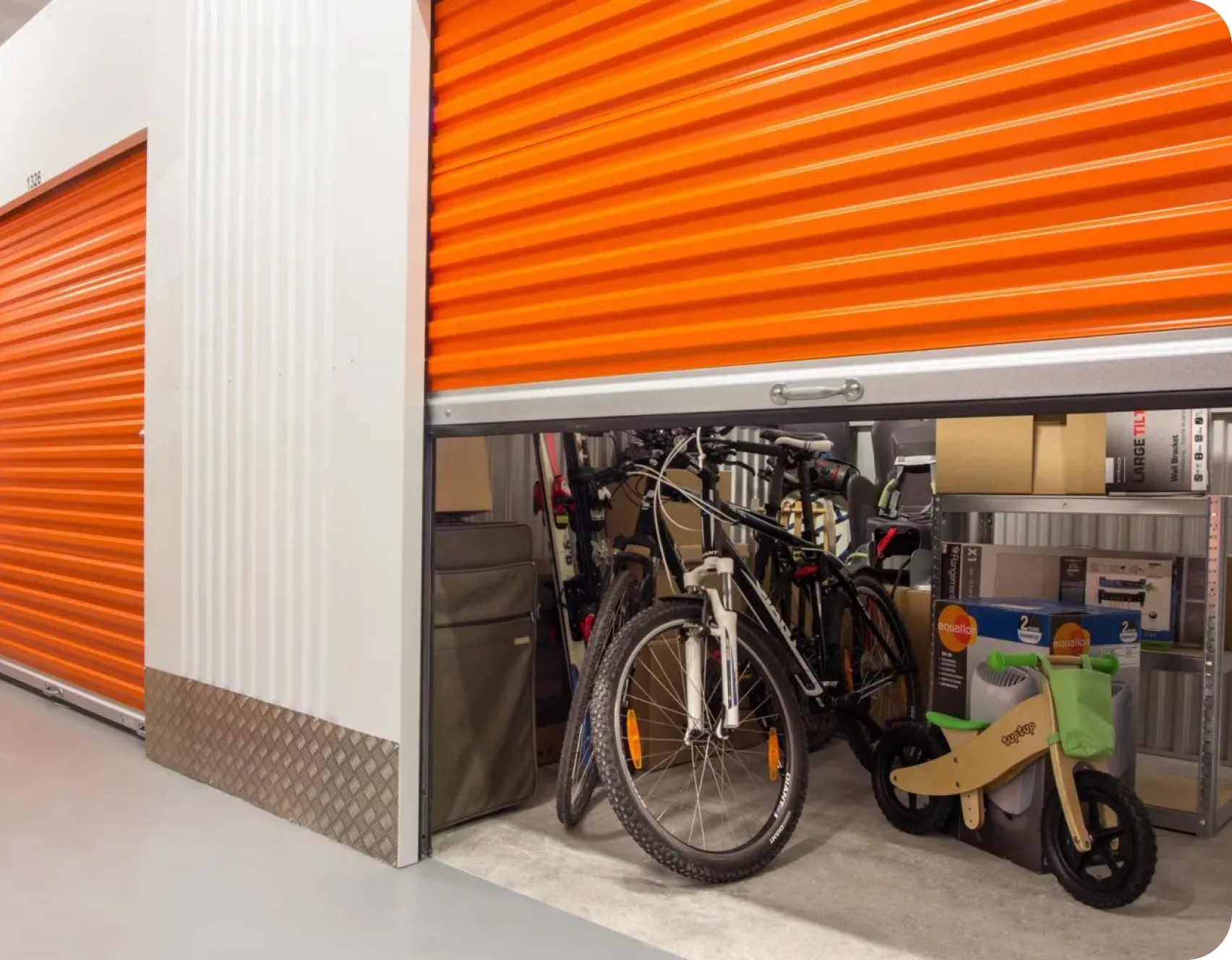
Whether you’re storing golf clubs, bicycles, skis, surfboards or fitness equipment:
- Clean equipment before storage.
- Dry all items thoroughly.
- Use wall-mounted storage solutions where possible.
- Store seasonal equipment together.
- Protect delicate items with covers.
For more detailed sport storage advice, see our guide to storing sports equipment.
Storage Tips for Moving House
Self-storage can make moving house significantly less stressful.
Many homeowners use storage units to:
- Declutter before viewings.
- Stage a property for sale.
- Bridge gaps between moving dates.
- Store furniture during renovations.
- Create temporary space during major life changes.
If you’re planning a move, be sure to consult our moving house checklist – booking your storage unit early can help secure availability during busy periods.
Storage Tips for Businesses
Businesses increasingly use commercial self-storage units for:
- Excess inventory.
- Archived documents.
- Office furniture.
- Marketing materials.
- Seasonal stock.
- Equipment storage.
Storage can often be a cost-effective alternative to leasing larger commercial premises while maintaining easy access to important business assets.
Make Room for Life with Nesta Storage
Whether you’re storing furniture during a house move, decluttering your home, creating more space for a growing family, or managing business inventory, a well-organised storage unit can make life significantly easier.
By choosing the right unit, packing carefully and following these storage best practices, you can protect your belongings and make the most of every square foot of storage space.
At Nesta Storage, we offer secure, flexible and affordable self-storage solutions across Dublin, with a range of unit sizes to suit both personal and business storage needs we even offer a free moving van to help make the transition easier for you!
Get a free quote today and avail of our price match promise – discover how easy and affordable it is to create more space with Nesta!